
Fashion predictions for the year of the horse
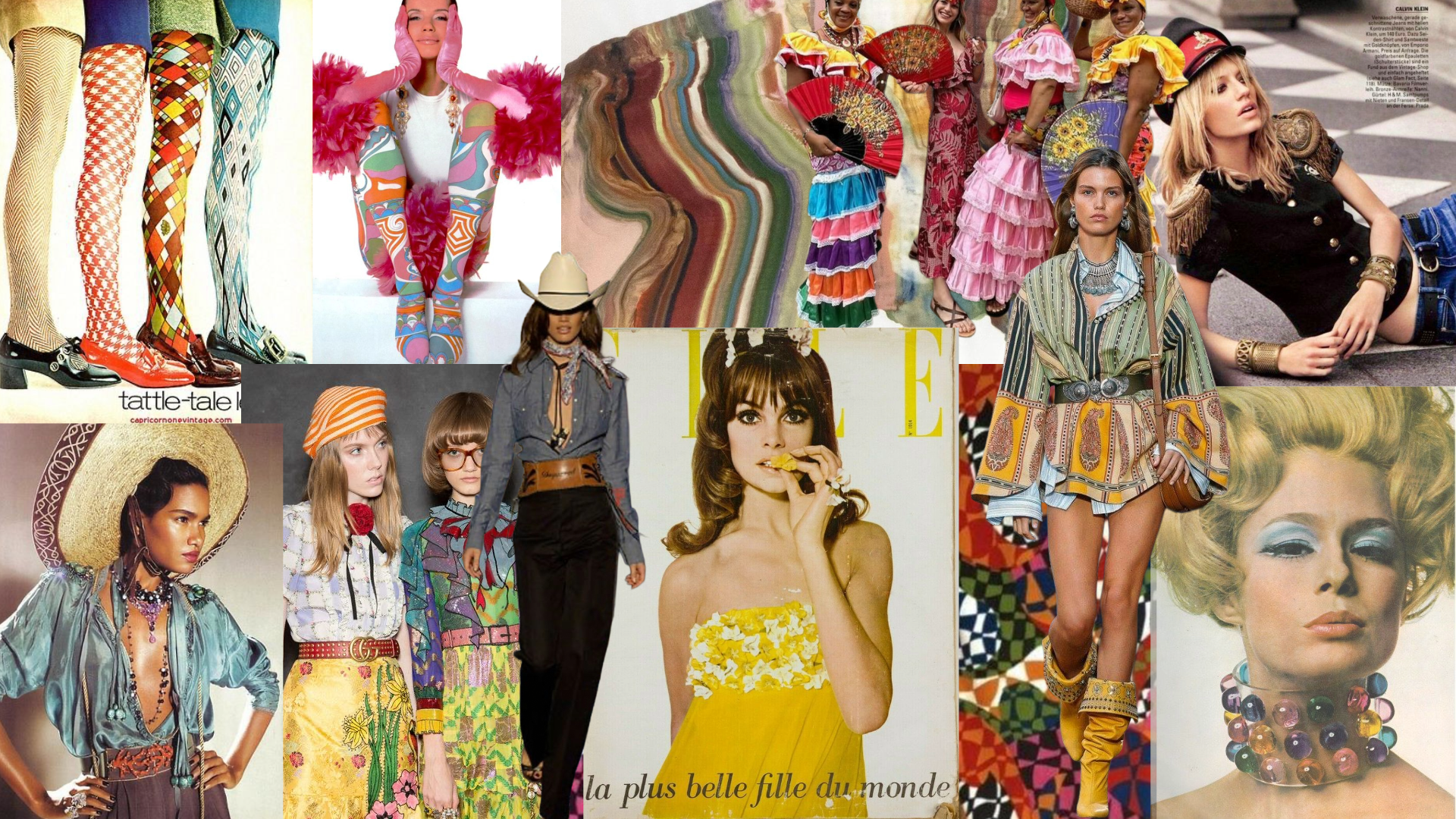
All things fashion, trends and astrology for the year of 2026
The year of the horse, starting on the 17th of February, has had a lot of discourse in recent times, all following the popular motif of optimism, hope, and primarily awakening. This awakening can manifest in many ways throughout this year, in a political way, a cultural shift, or even in an economic way. In this article, we will focus on the fashion and trends we here at PLATFRMD believe are on the horizon, and how the astrology of 2026 may play into this.
The Year of the Horse enters a global consciousness at a time marked by political polarisation, rapid technological acceleration, cultural redefinition, and widespread questioning of existing systems. In Chinese astrology, the Horse is one of the most dynamic signs of the zodiac, symbolising movement, independence, passion, and radical transformation. Governed by fire energy, so fire signs are the most likely to be experiencing a major shift this year, primarily Sagittarius. Historically, Horse years are linked with periods of intense social momentum, in which collective consciousness accelerates, and long-standing structures are challenged or reshaped. As such, 2026 is widely interpreted by astrologers as a year of awakening, both on a societal scale and within the individual psyche.
This energetic atmosphere creates fertile ground for cultural revolutions, artistic experimentation, and political mobilisation. Fashion, as one of the most immediate forms of visual culture, becomes a primary channel through which this awakening materialises.
Throughout history, periods of profound social transformation have consistently been accompanied by radical shifts in dress. From the flapper movement of the 1920s following post-war liberation, to the countercultural styles of the 1960s reflecting anti-war activism and civil rights struggles, clothing has served as both a mirror and a catalyst of cultural change. The Year of the Horse in 2026 appears poised to generate a similarly transformative moment. As individuals seek to redefine identity and communities demand visibility and justice, fashion will evolve into a powerful language of emotion, politics, heritage, and reinvention.
Central to the astrological narrative of 2026 is the concept of collective awakening. The Horse’s fire element heightens awareness and accelerates realisation. People may feel heightened sensitivity to injustice, environmental crises, cultural erasure, and economic inequality. On a psychological level, this manifests as a rejection of passive consumption and a desire for meaningful engagement. On a cultural level, it produces movements that prioritise authenticity, storytelling, and lived experience. In fashion, this shift translates into garments that carry narrative weight rather than serving solely as aesthetic commodities.
Cultural clothing as resistance and pride
One of the most visible consequences of this awakening will be the widespread embrace of cultural clothing as an act of reclamation and resistance. As political divisions deepen and identity becomes increasingly contested, many individuals will return to heritage dress as a means of grounding, pride, and protest. Traditional textiles, regional silhouettes, and ancestral craftsmanship will enter mainstream fashion spaces, not as novelty but as lived expression. This resurgence represents a refusal to assimilate into homogenised global aesthetics and instead affirms the value of cultural specificity.
Latin American influences are expected to rise particularly strongly during this period. Drawing from Indigenous, Afro-Latin, and colonial histories, these aesthetics carry centuries of resilience, artistry, and social struggle. Flowing skirts, corseted bodices, vibrant embroidery, ruffles, handwoven fabrics, and dramatic draping will increasingly shape contemporary collections and street style. These elements communicate both celebration and defiance, aligning with the Horse’s dual nature of joy and confrontation. They embody motion, emotion, and visibility, qualities deeply resonant with the astrological energy of 2026.
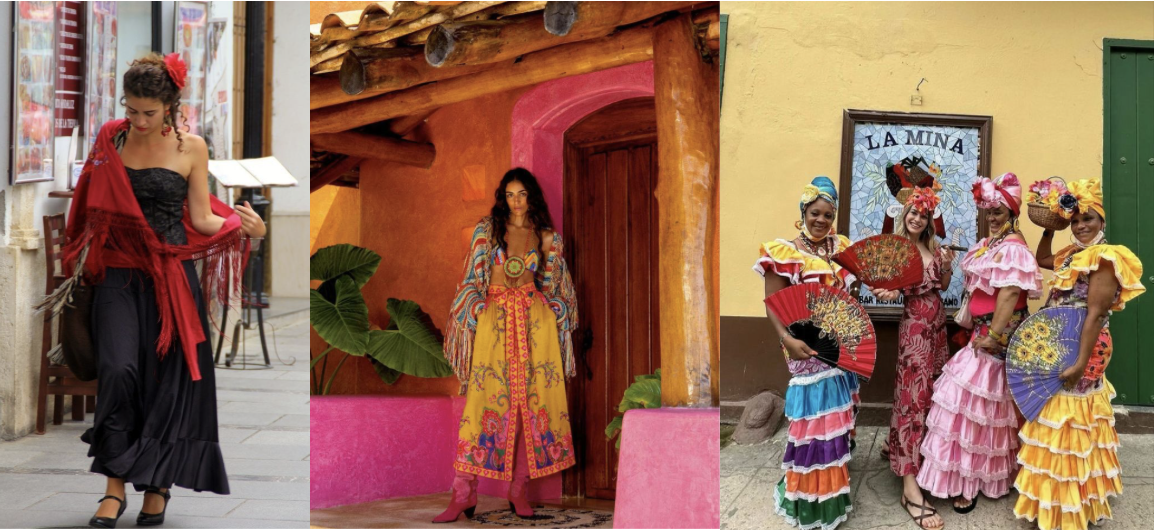
Alongside this cultural resurgence, fashion will increasingly incorporate fabrics and symbols embedded with political meaning. The Palestinian keffiyeh’s transformation into dresses, layered garments, and accessories exemplifies this evolution. Historically a symbol of resistance, identity, and solidarity, its reinterpretation within modern fashion reflects a broader desire to merge activism with daily life. Rather than separating political consciousness from aesthetic expression, 2026 fashion will weave them together. Garments become wearable narratives, allowing individuals to communicate values without speaking.
This politicisation of style reflects a broader astrological theme of the Horse: the refusal to remain neutral. Horse energy is decisive and emotionally driven, pushing individuals toward alignment with causes that resonate deeply. In this climate, fashion becomes a site of participation in cultural discourse, not passive observation.
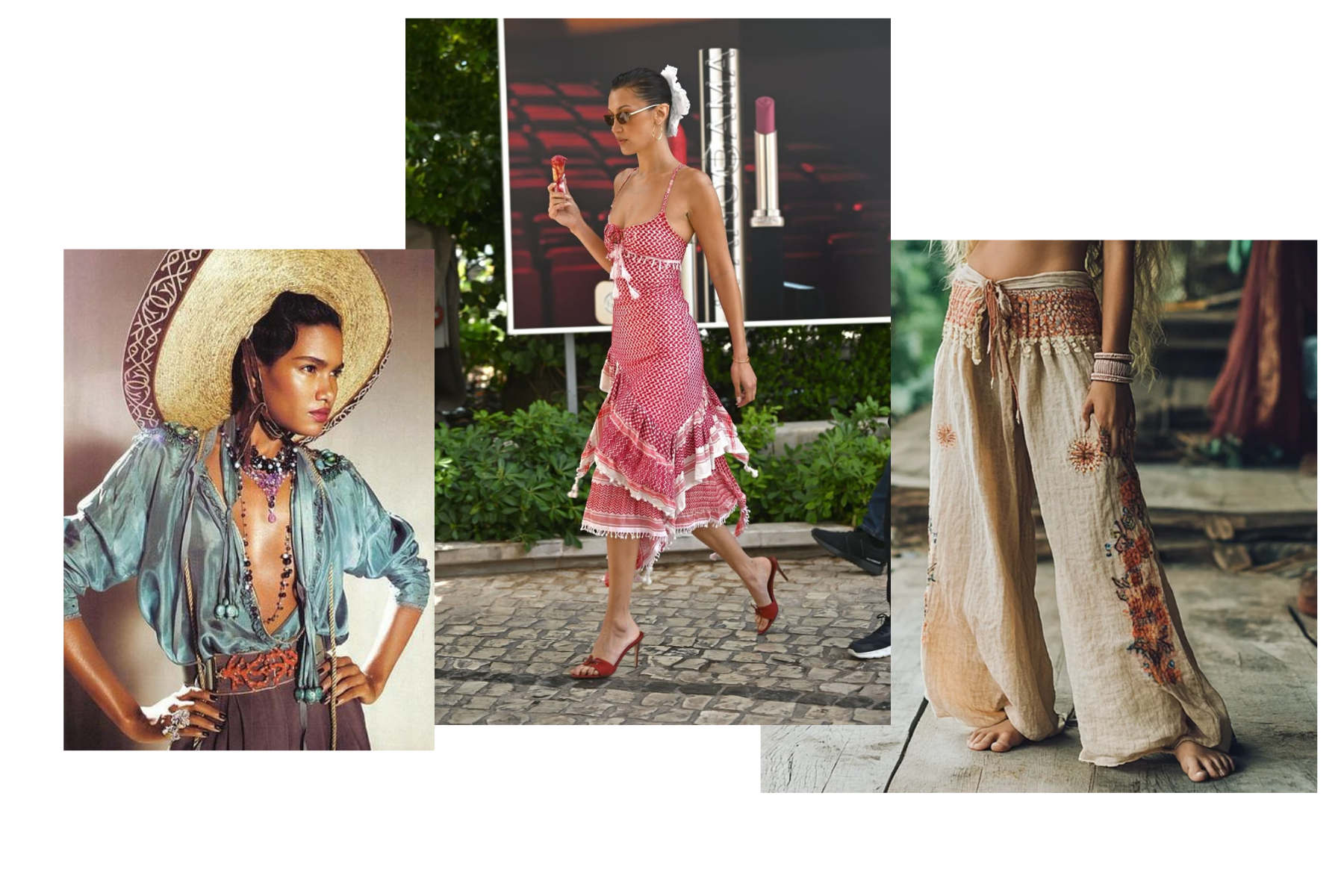
Parallel to these political and cultural developments is the revival of boho-chic aesthetics, reemerging with greater depth and intentionality. Rooted historically in artistic rebellion and nonconformity, bohemian style aligns naturally with the Horse’s desire for freedom and individuality. However, its 2026 iteration moves beyond surface-level romanticism to embrace global influences, handcrafted techniques, and spiritual symbolism. Flowing silhouettes, layered textures, crochet, lace, fringe, and earthy palettes infused with vibrant colour create clothing that feels alive and expressive. This revival speaks to a collective longing for connection to nature, to culture, to community, and to self.
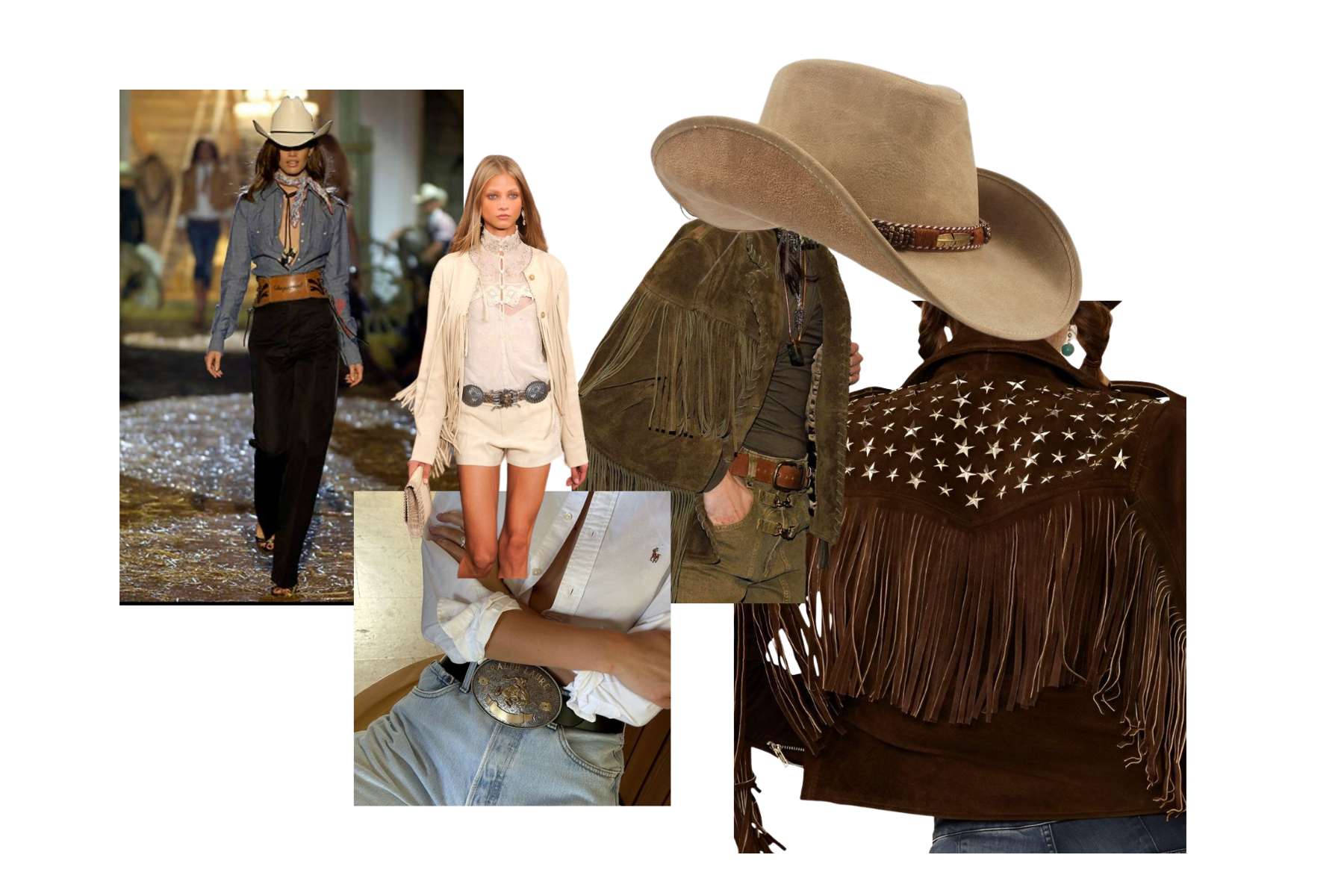
Equestrian core for the year of the horse? Most likely.
Equestrian influences will also rise prominently, reflecting both literal symbolism and deeper thematic resonance. Structured tailoring inspired by riding attire, leather elements, corsetry, tall boots, and harness details will dominate runways and urban fashion spaces alike. These silhouettes communicate strength, control, and motion, mirroring the Horse’s physical power and astrological symbolism. Fringe will accompany this aesthetic in dramatic form, emphasising movement and fluidity. Each step becomes a visual expression, reinforcing fashion’s role as a living performance rather than a static presentation. We’re sensing a heavy cowboy culture and fashion rise in recent trends and on the runway. With Louis Vuitton’s F/W 2025 line to Chloe and their constant trademark fringe, western influences and leather. Also, Prada and Miu Liu, incorporating pre-distressed cowboy boots, true Western detailing, and rhinestone belts, and integrating cowboy lore into polished runway outfits, for the S/S 2025.
Missoni, Colour and explorative fashion
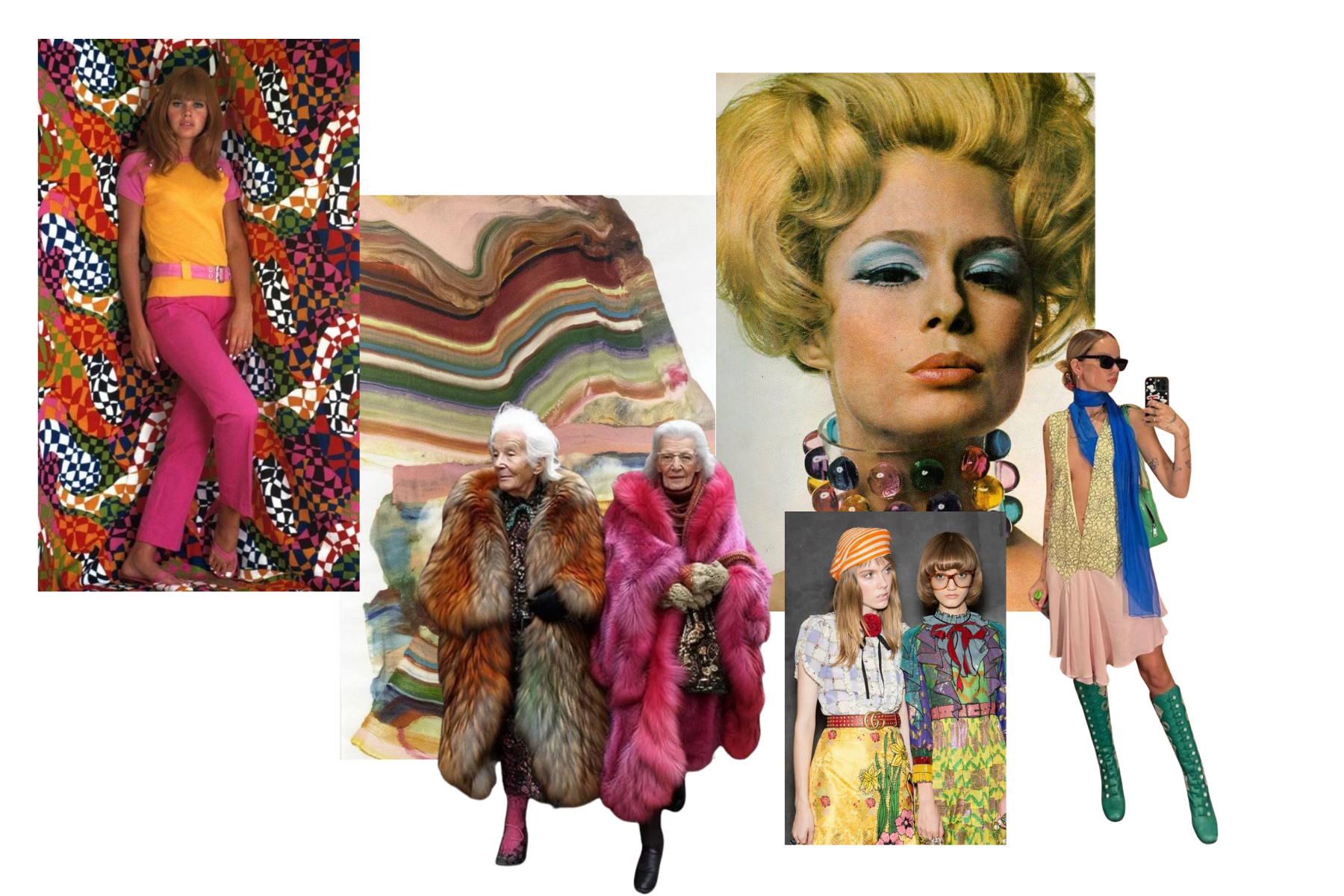
In contrast to the minimalism that has dominated much of the previous decade, 2026 signals a return to colour, playfulness, and visual experimentation. The Horse’s association with rebirth and emotional intensity encourages bold, creative risk. Drawing inspiration from the optimism of the 1960s, designers and wearers alike will embrace saturated hues, psychedelic patterns, and retro motifs reinterpreted for contemporary sensibilities. Missoni-style zigzags, swirling prints, and mismatched layering will reflect a newfound joy in dressing. Rather than adhering to rigid trend rules, individuals will experiment freely, constructing identities through colour and contrast.
This expressive freedom aligns with broader astrological themes of self-reinvention. The Horse year often brings dramatic personal shifts, career changes, lifestyle transformations, ideological awakenings, and renewed purpose. Fashion becomes a tool for navigating these transitions, allowing individuals to externalise internal change. Through adventurous styling, people visually signal rebirth, curiosity, and emotional openness.
Fashion as activism
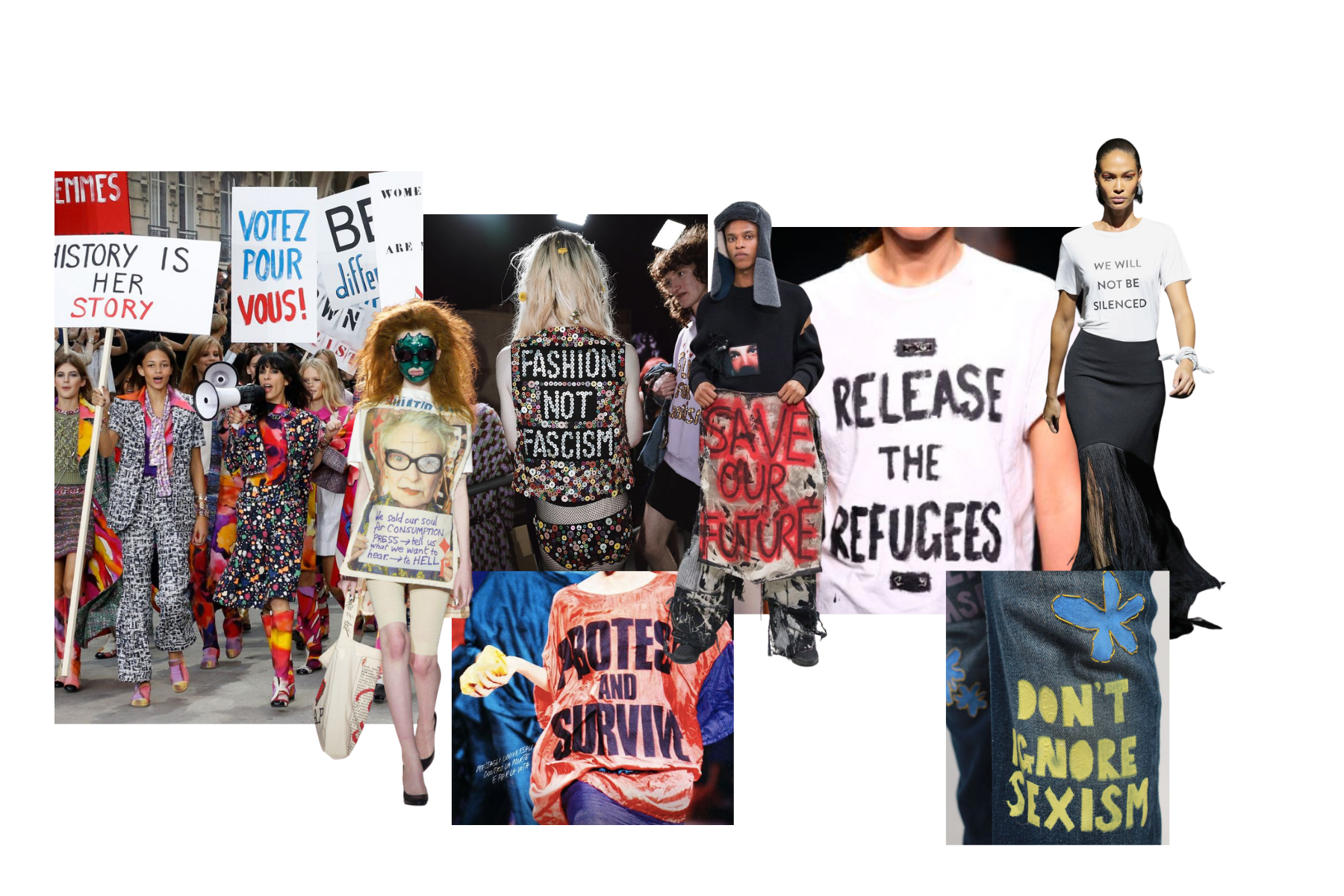
Perhaps most emblematic of 2026’s spirit will be the rise of explicit activism within fashion design. Slogans, poetic phrases, political imagery, and symbolic motifs will increasingly adorn garments. Designers will treat clothing as editorial space, using it to provoke dialogue and inspire mobilisation. Streetwear and high fashion alike will become vehicles for commentary on war, inequality, gender rights, environmental crisis, and cultural preservation. This phenomenon echoes historical moments such as the punk movement of the 1970s, the feminist slogan tees for the 2010s, or the # MeToo movement, all amplified by social media’s global reach.
Astrologically, this reflects the Horse’s refusal of complacency. Fire energy intensifies emotion, compelling visible action. In 2026, fashion will no longer feel detached from world events. Instead, it will pulse with collective emotion, functioning as protest, prayer, celebration, and storytelling simultaneously.
Military uniforms in women's fashion
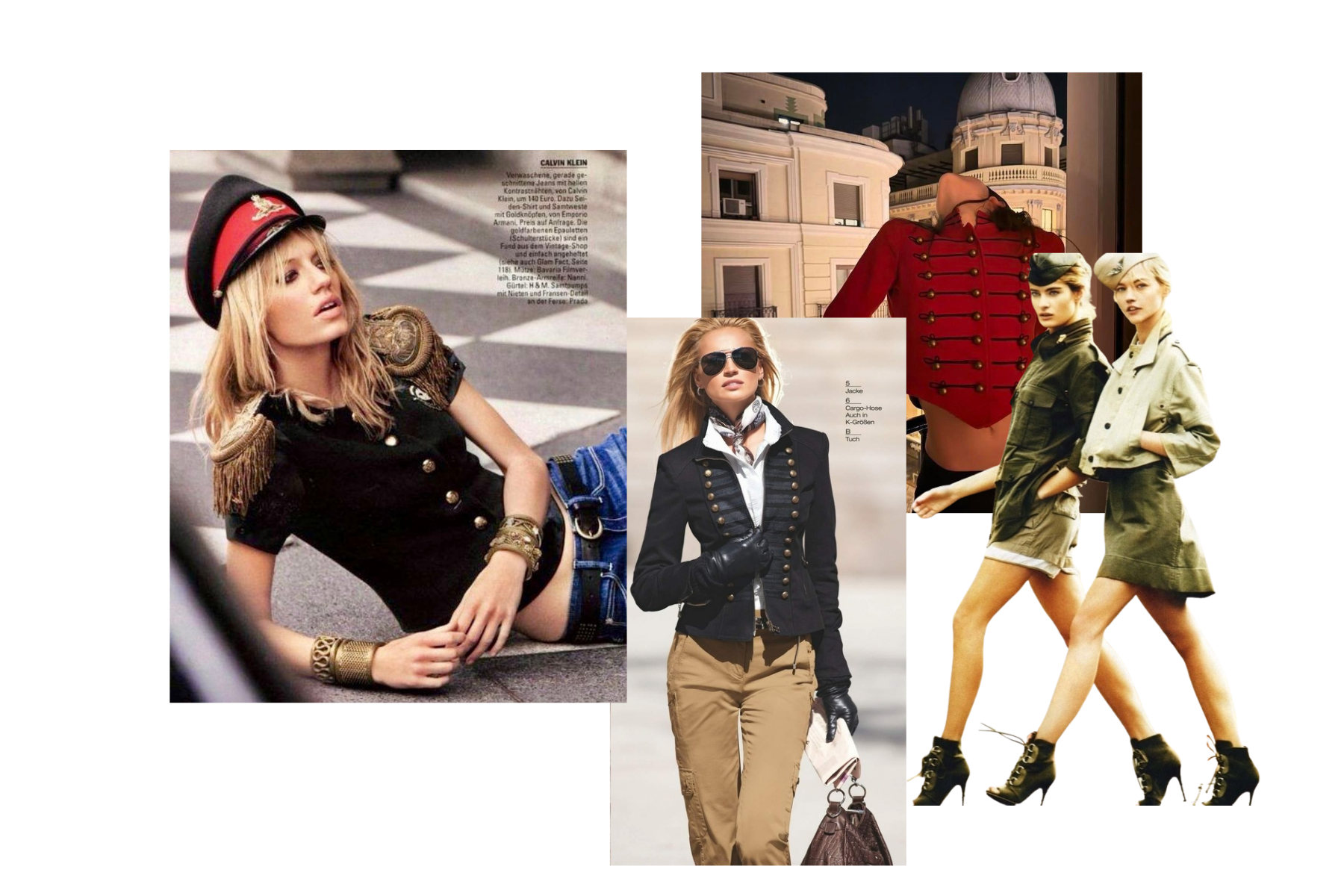
Another prominent visual language emerging in women’s fashion throughout the Year of the Horse is the revival of military-inspired tailoring, particularly the reappearance of Napoleonic jackets and historic uniform silhouettes. Characterised by structured shoulders, gold braiding, decorative buttons, sharp waists, and authoritative lines, these garments draw directly from 19th-century European military dress, where clothing functioned as both a power symbol and a visual discipline. In the context of 2026’s astrological climate of awakening and empowerment, this aesthetic signals a reclaiming of authority and visibility by women in public and political spaces. This resurgence also reflects broader cycles within fashion history in which periods of social upheaval bring tailored, militaristic silhouettes back into prominence, from wartime utility wear to the structured power dressing of the late twentieth century. In contemporary womenswear, the Napoleonic jacket merges romantic ornamentation with rigid form, suggesting a dual narrative of strength and elegance, discipline and self-expression. Its popularity within 2026 fashion can therefore be interpreted as both aesthetic revival and cultural metaphor, signalling readiness for action, resistance to marginalisation, and the embodiment of leadership in a year defined by momentum and transformation.
Taken together, these trends point toward a broader redefinition of what fashion represents in contemporary society. The Year of the Horse accelerates humanity toward authenticity, courage, and expression. Clothing becomes less about consumption and more about communication. It becomes a bridge between personal identity and collective experience.
For PLATFRMD, this year marks a turning point where fashion reclaims its cultural power. The industry will shift from trend replication toward narrative creation. Designers who centre heritage, political consciousness, craftsmanship, and emotional depth will resonate most strongly with audiences seeking meaning. Consumers will increasingly support brands that reflect values rather than simply aesthetics.
Ultimately, the Year of the Horse in 2026 represents a renaissance of fashion as living art and social force. Driven by astrological energy of awakening and momentum, it encourages individuals to move boldly into self-expression and communities to reclaim cultural visibility. Colour returns as joy, heritage returns as pride, activism returns as necessity, and experimentation returns as freedom.
The Horse does not stand still. It surges forward with power and intention. In 2026, fashion will do the same, running toward authenticity, cultural consciousness, and a future shaped by courage rather than conformity.
References
Breward, C. (2015). The Suit: Form, Function and Style. Reaktion Books.
Chang, W. (2019). Chinese Astrology: Exploring the Eastern Zodiac and Its Cultural Impact. Beijing Cultural Press.
Chevalier, J., & Gheerbrant, A. (2020). The Penguin Dictionary of Symbols. Penguin Classics.
Crane, D. (2012). Fashion and Its Social Agendas: Class, Gender, and Identity in Clothing. University of Chicago Press.
Entwistle, J. (2015). The Fashioned Body: Fashion, Dress and Modern Social Theory. Polity Press.
Evans, C. (2013). Fashion at the Edge: Spectacle, Modernity and Deathliness. Yale University Press.
Hollander, A. (2014). Sex and Suits: The Evolution of Modern Dress. Bloomsbury.
Kaiser, S. (2018). Fashion and Cultural Studies. Bloomsbury Academic.
Lau, T. (2021). The Complete Guide to Chinese Astrology. HarperCollins.
Steele, V. (2017). Fashion, Identity, and Power. Yale University Press.
Summers, L. (2019). “Military Dress and the Construction of Authority in Western Fashion.” Journal of Dress History, 3(1), 22–39.
Wilson, E. (2016). Adorned in Dreams: Fashion and Modernity. I.B. Tauris.
Zhang, L. (2020). “Fire Signs and Collective Change in Eastern Astrology.” Journal of Cultural Astrology, 14(2), 45–63