
Cool Niche Short Books For When You Dont Know What To Read
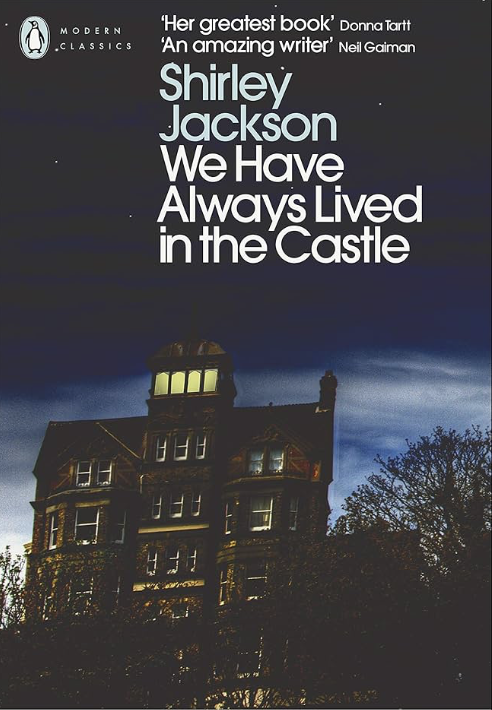
1. We Have Always Lived in the Castle - Shirley Jackson
Two sisters live in a decaying house on the edge of a village that despises them. The rest of their family is dead from arsenic poisoning. Merricat, the younger sister, believes in protective rituals and buried objects. Constance, the elder, never leaves the property. The outside world keeps pressing in.
It’s a claustrophobic study of insularity, control, and the stories we build to survive. Jackson keeps the prose deceptively light while everything underneath it rots.
Why we think you should read:
For one of literature’s most quietly unhinged narrators. For the way it makes domestic space feel like a spell. For the pleasure of watching normality unravel without anyone raising their voice.
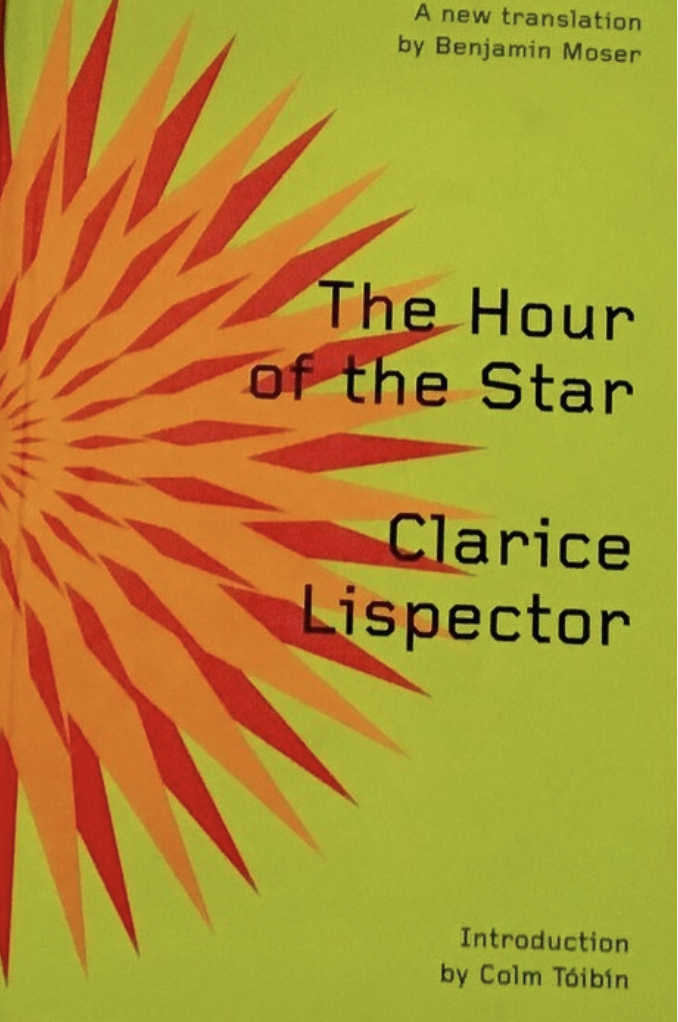
2. The Hour of the Star - Clarice Lispector
Macabéa is a poor, undernourished typist in Rio de Janeiro with almost no sense of self. The story is told by a male narrator who keeps interrupting, questioning, and doubting his right to tell her story at all. As Macabéa drifts through work, illness, and a fragile romance, the novel interrogates who gets to be seen and who gets written.
It’s less a plot than a meditation on existence, authorship, and invisibility.
Why we think you should read:
Because it’s under 100 pages and somehow dismantles the idea of storytelling itself. It captures the ache of being ordinary in a world that worships spectacle. And because Lispector writes like she’s pulling the thread out of reality.
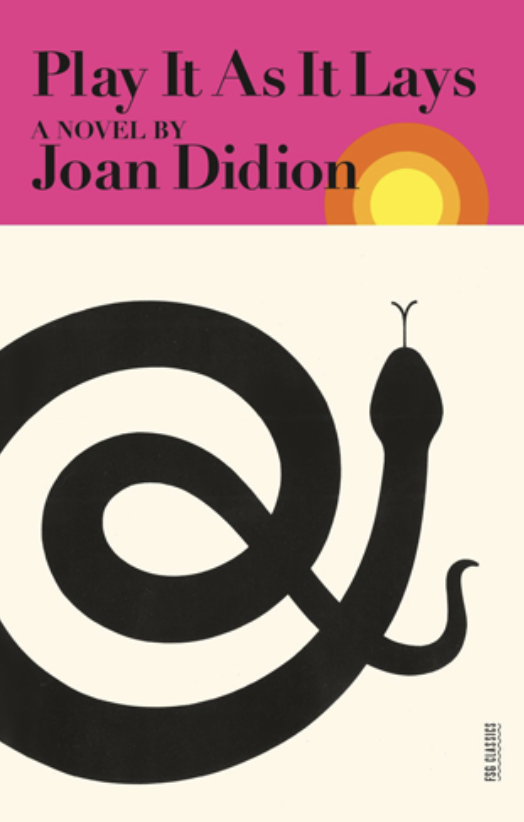
3. Play It As It Lays - Joan Didion
Maria Wyeth, a model-turned-actress, moves through 1960s Los Angeles in a haze of highways, film sets, failed relationships, and emotional vacancy. The chapters are short, almost clinical. We know early on that something catastrophic has happened. The novel circles around it without melodrama.
Didion strips everything back, plot, sentiment, explanation, until all that’s left is atmosphere and the numbness beneath glamour.
Why we think you should read:
For the way it captures burnout before the word existed, the way it captures the atmosphere of Hollywood in the 60s, and the way it captures the haunting feeling of isolation in a deeply raw and beautiful way.
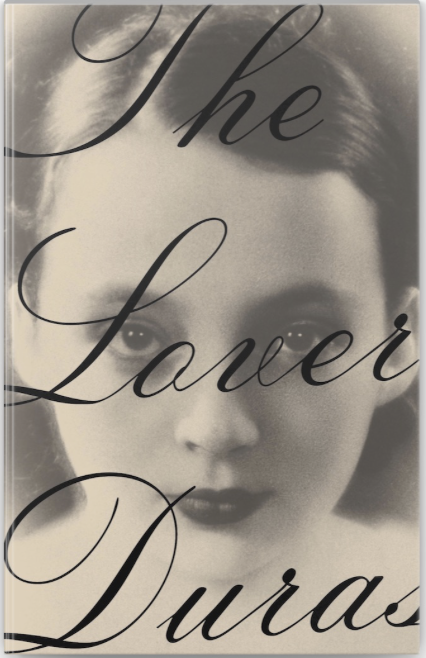
4. The Lover - Marguerite Duras
In colonial Vietnam, a teenage French girl begins an affair with a wealthy Chinese man. The relationship is transactional, intimate, unequal, and impossible. Told from the perspective of memory, the narrative drifts between past and present, blurring fact and reconstruction.
It’s fragmented, sensual, and unsentimental about desire and power.
Why we think you should read:
For its unapologetic gaze at female sexuality and its atmosphere: humid, slow, and cinematic. For a version of autofiction that feels raw rather than curated.
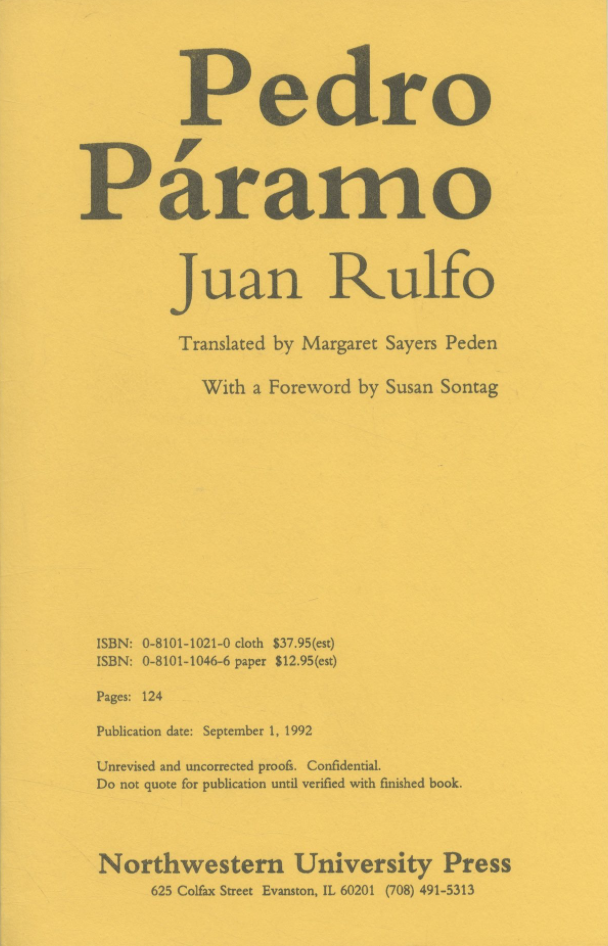
5. Pedro Páramo - Juan Rulfo
Juan Preciado travels to the town of Comala to find his father, Pedro Páramo. Instead, he finds a landscape populated by murmuring voices, some alive, many dead. The town exists in fragments of memory, regret, and unfinished business.
Time folds in on itself. Narrators shift without warning. The boundary between the living and the dead dissolves
.
Why we think you should read:
Because it compresses an entire mythology into barely 120 pages. Because it feels like walking through heat haze and grief at once. Because it quietly shaped generations of writers.
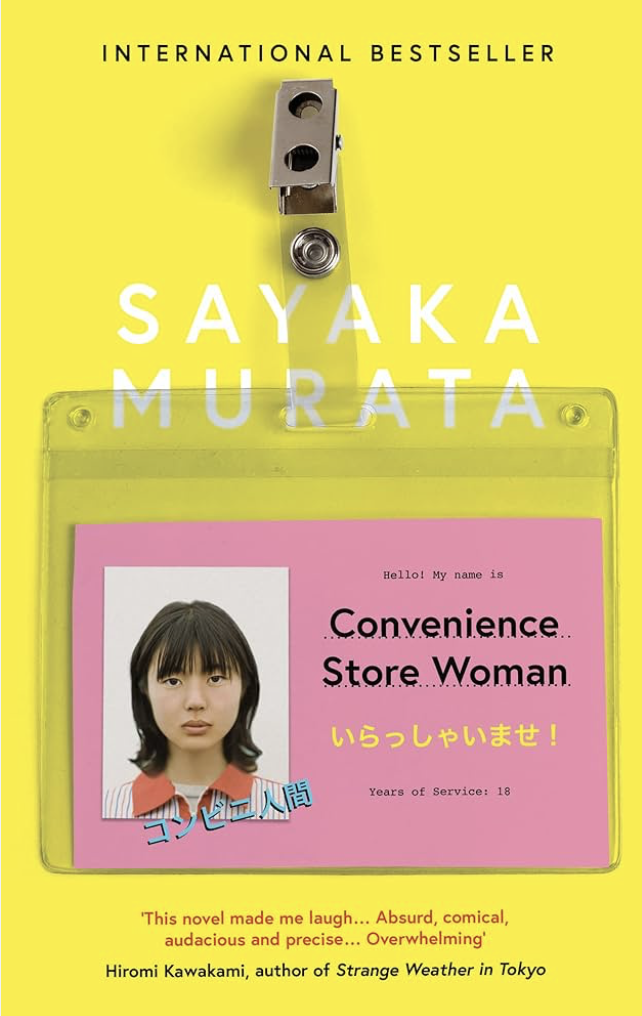
6. Convenience Store Woman - Sayaka Murata
Keiko Furukura has worked at the same convenience store for eighteen years. She finds comfort in its rules, scripts, and predictable rhythms. Outside the store, people are unsettled by her lack of romantic ambition or career drive. To appear “normal,” she enters into a performative relationship.
The novel dissects conformity, labour, and the social pressure to evolve.
Why we think you should read:
For its dry, unsettling humour. For a protagonist who refuses the expected character arc. For a sharp critique of how society defines success delivered with surgical calm.
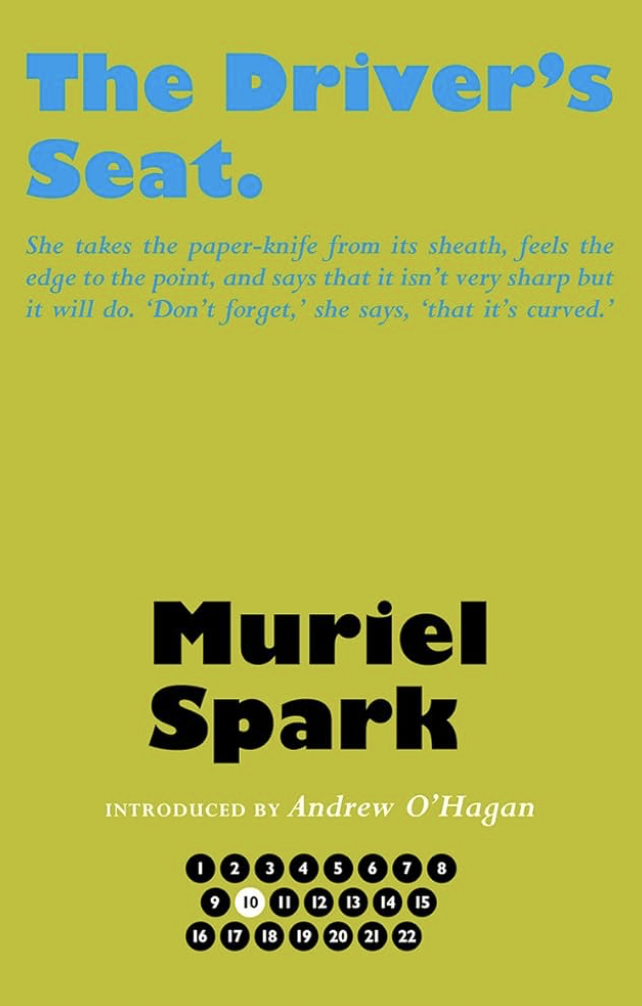
7. The Driver’s Seat - Muriel Spark
Lise, a 34-year-old office worker who has spent 16 years at an accountancy firm in Northern Europe, leaves her home country for a Southern European city, behaving erratically from the start. The novel tells us early on that she will be murdered. What follows is not a mystery but a controlled, almost clinical observation of how she orchestrates her own fate.
Spark dismantles suspense by revealing the ending, focusing instead on motive and psychology.
Why we think you should read:
For its audacity. For how it manipulates narrative expectation. For a chilling portrait of agency that feels both deliberate and destabilising.
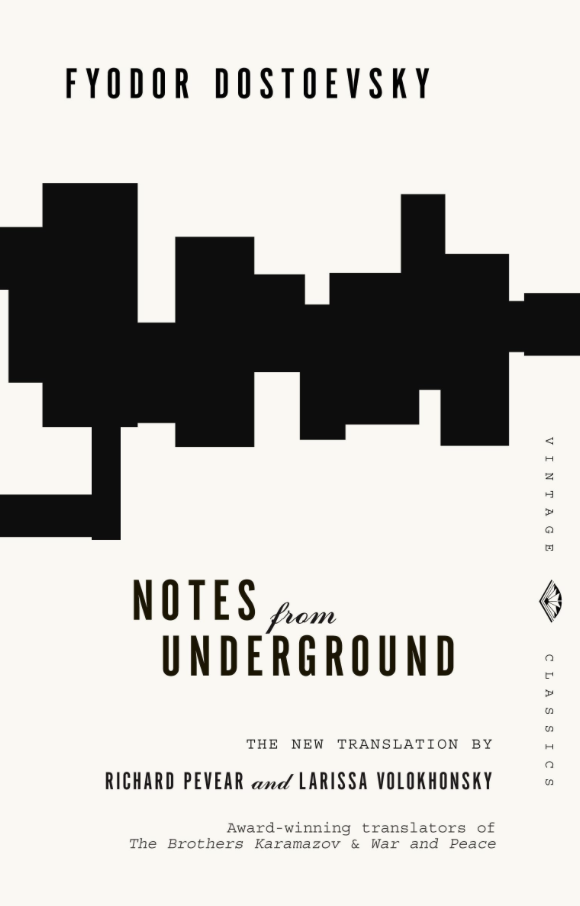
8. Notes from Underground - Fyodor Dostoevsky
An unnamed narrator, isolated, spiteful, and hyper-intelligent, delivers a monologue attacking rationalism, progress, and his own inability to act. In the second half, he recounts humiliating episodes from his past, exposing the gap between self-image and reality.
It’s philosophical but intensely personal. A study in resentment and self-sabotage.
Why we think you should read:
It feels disturbingly modern in the way it captures the psychology of alienation with brutal honesty. Because it’s a blueprint for the unreliable male narrator, and still one of the sharpest and of course, simply because Dostoevsky is a brilliant writer (no bias).
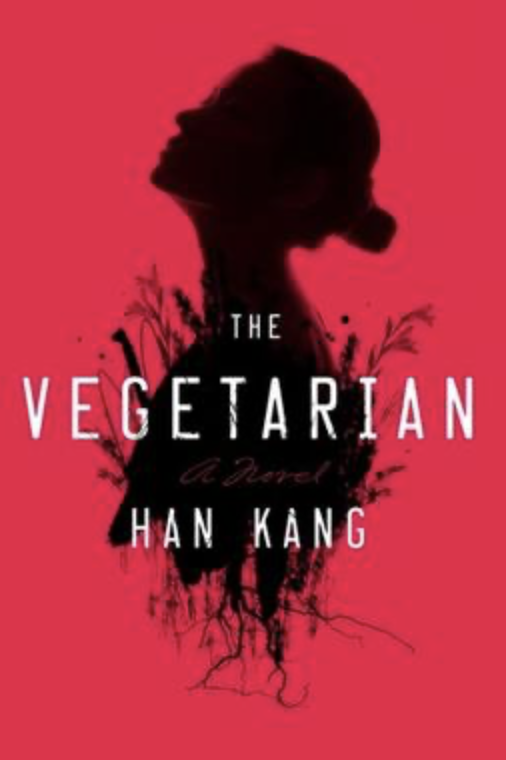
9. The Vegetarian - Han Kang
Yeong-hye decides to stop eating meat after a violent dream. Her refusal unsettles her husband and family, escalating into coercion, institutionalisation, and psychological fracture. The story unfolds through three perspectives, none of them hers, as her silence grows more absolute.
Reality bends subtly toward the surreal as her rejection of the world deepens.
Why we think you should read:
It’s incredible, that's why I couldn’t recommend it more, but also for its exploration of bodily autonomy and control. For its restrained, haunting tone and for the way it leaves more unsaid than explained.
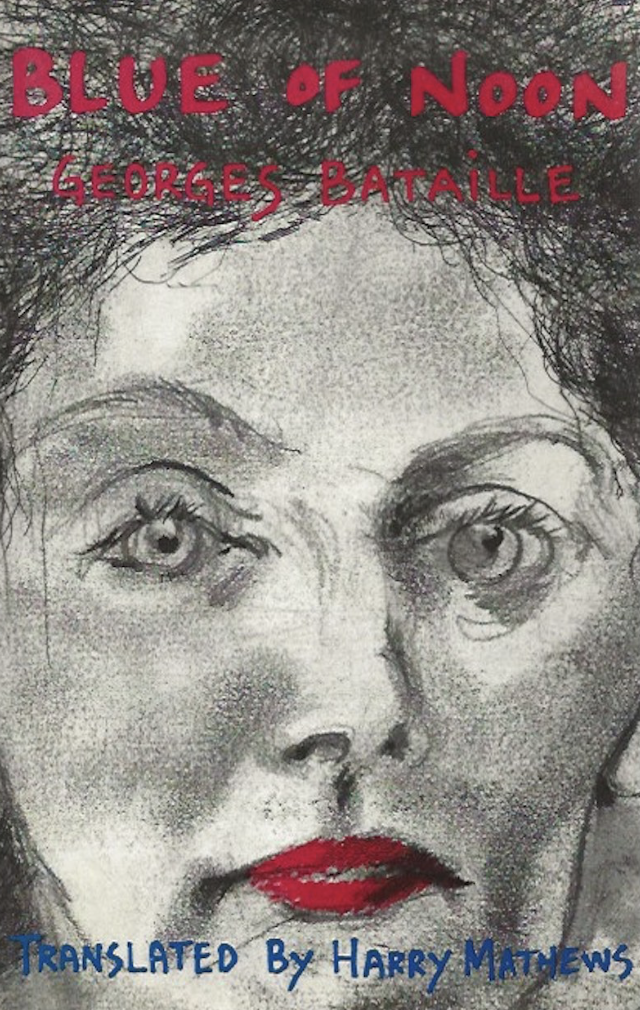
10. Blue of Noon - Georges Bataille
Set against the rise of fascism in 1930s Europe, the novel follows Henri Troppmann as he moves through sexual obsession, political decay, and emotional instability. Relationships blur into destruction. Intimacy feels inseparable from collapse.
It’s chaotic by design, desire set against a world on the brink.
Why we think you should read:
Because it refuses comfort, and it links private appetite with public crisis. Because sometimes a book should feel slightly dangerous to finish, and unfortunately, because it’s scarily relevant to today.