
Feminist Literature that we should all be reading
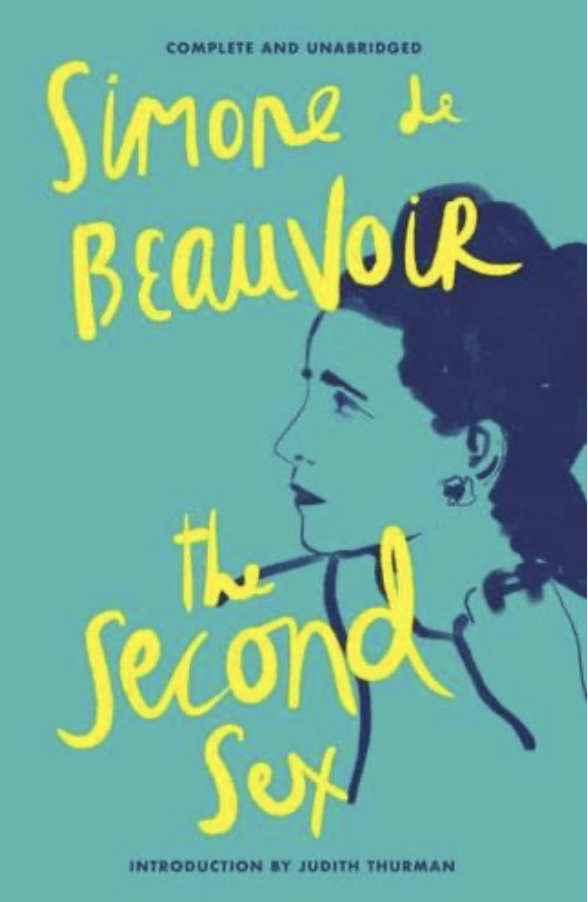
1. The Second Sex — Simone de Beauvoir (1949)
A foundational feminist philosophy book arguing that womanhood is socially constructed rather than natural. Beauvoir famously writes, “one is not born, but rather becomes, a woman.” She explores how society historically positioned men as the default human and women as “the Other,” analysing myths, biology, psychology, and culture.
2. A Vindication of the Rights of Woman — Mary Wollstonecraft (1792)
One of the earliest feminist texts. Wollstonecraft argues that women appear inferior only because they lack education. She calls for equal schooling, rational thinking, and independence for women, insisting they should be seen as citizens and thinkers, not ornaments for men.
3. The Subjection of Women — John Stuart Mill & Harriet Taylor Mill (1869)
A liberal feminist argument that legal and social inequality between men and women is unjust and harmful to society. They compare marriage laws to slavery and argue that women should have equal rights in voting, education, and work.
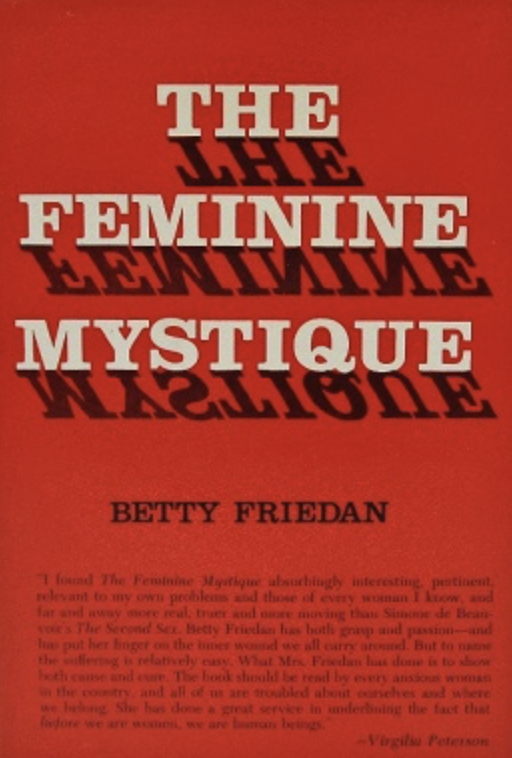
4. The Feminine Mystique — Betty Friedan (1963)
Friedan examines the dissatisfaction of American housewives in the 1950s–60s. She calls this “the problem that has no name”, women feeling empty despite marriage and domestic life. The book sparked the second-wave feminist movement.
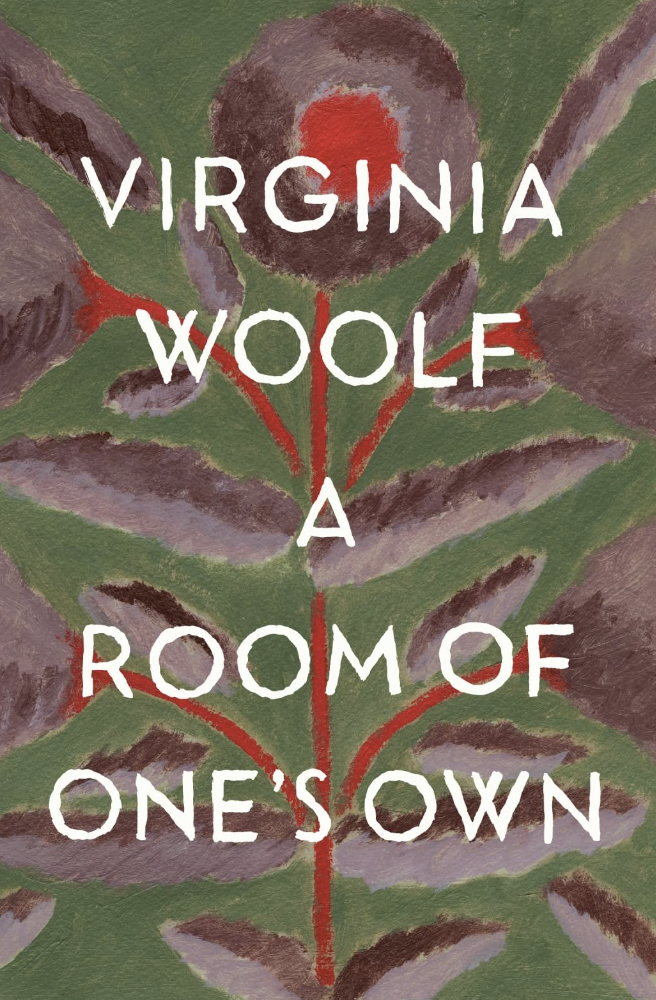
5. A Room of One's Own — Virginia Woolf (1929)
Based on the lectures Woolf gave at Cambridge. She argues that women need financial independence and personal space (“a room of one’s own”) to create literature and art. She imagines Shakespeare’s equally talented sister who never succeeds because of sexism.

6. The Laugh of the Medusa — Hélène Cixous (1975)
A famous feminist essay encouraging women to write their experiences and bodies into literature. Cixous argues that patriarchal language silences women and that new forms of writing can liberate female expression.
7. Speculum of the Other Woman — Luce Irigaray (1974)
Irigaray critiques Western philosophy, arguing it was built around male perspectives while excluding female subjectivity. She analyses thinkers such as Plato and Freud to show how women are often portrayed as reflections of men rather than as independent beings.
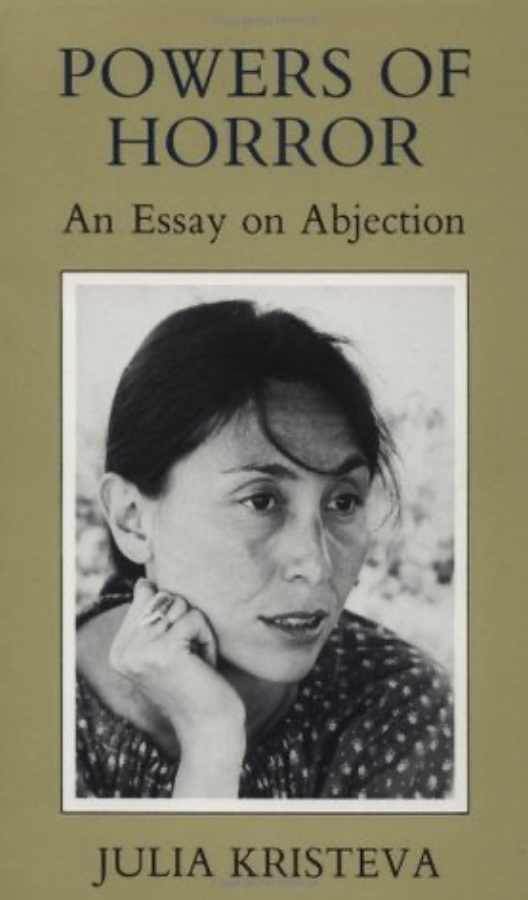
8. Powers of Horror — Julia Kristeva (1980)
Kristeva explores the idea of abjection - things society rejects or finds disturbing (like bodily fluids or death). She connects this to cultural fears about femininity and motherhood.
9. Sexual Politics — Kate Millett (1970)
One of the first feminist analysis of literature and culture. Millett argues that patriarchy is a political system and examines male authors to show how their works reinforce male dominance.
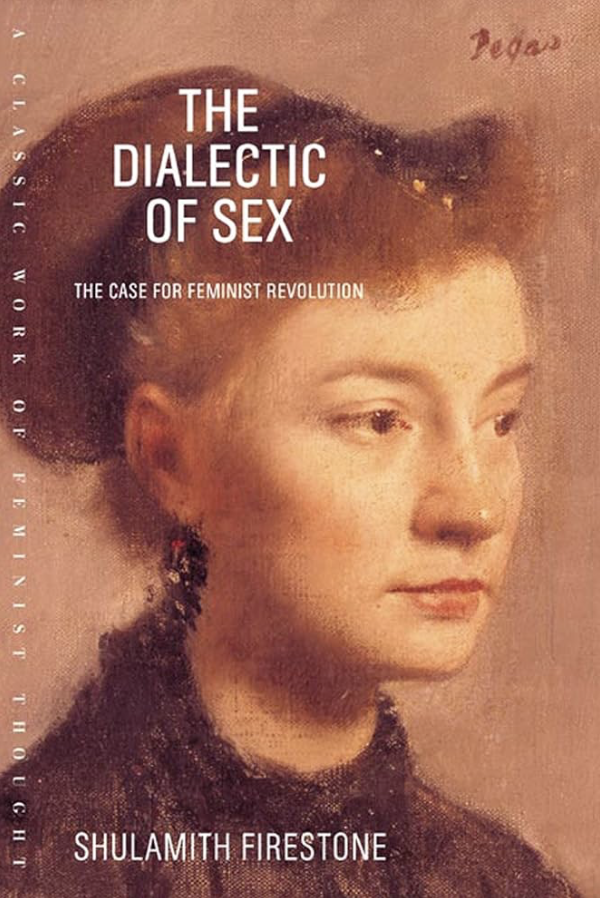
10. The Dialectic of Sex — Shulamith Firestone (1970)
A radical feminist text claiming that biological reproduction itself underlies women’s oppression. Firestone imagines a future where technology replaces pregnancy, freeing women from biological inequality.
11. Ain’t I a Woman? — bell hooks (1981)
Hooks examines how racism and sexism intersect to shape the experiences of Black women. She critiques both the feminist and civil rights movements for ignoring Black women’s voices.
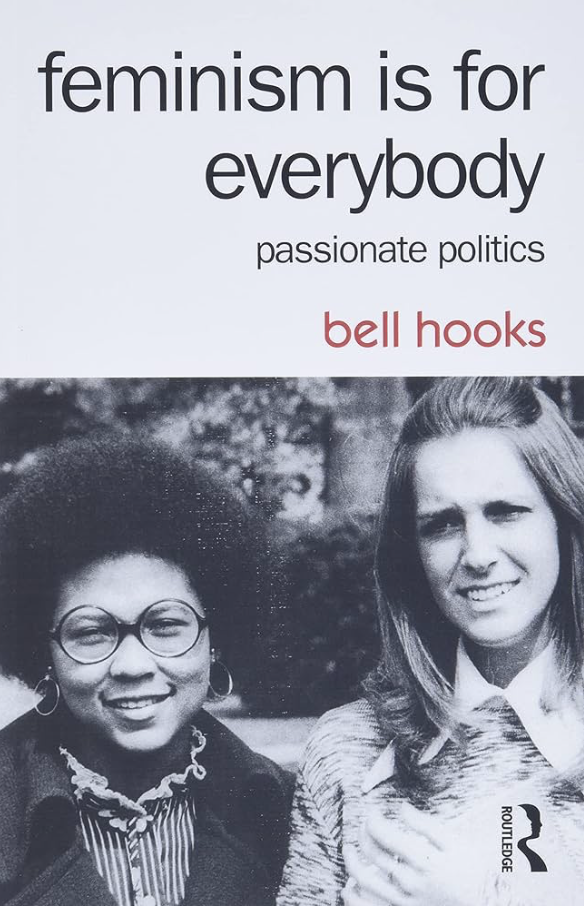
12. Feminism Is for Everybody — bell hooks (2000)
A short, accessible explanation of feminist ideas. Hooks argues feminism is about ending sexism and oppression for everyone, not about hating men.
13. Black Feminist Thought — Patricia Hill Collins (1990)
Collins explores how Black women produce knowledge about their own experiences. She introduces concepts like intersectionality, controlling images, and standpoint theory.
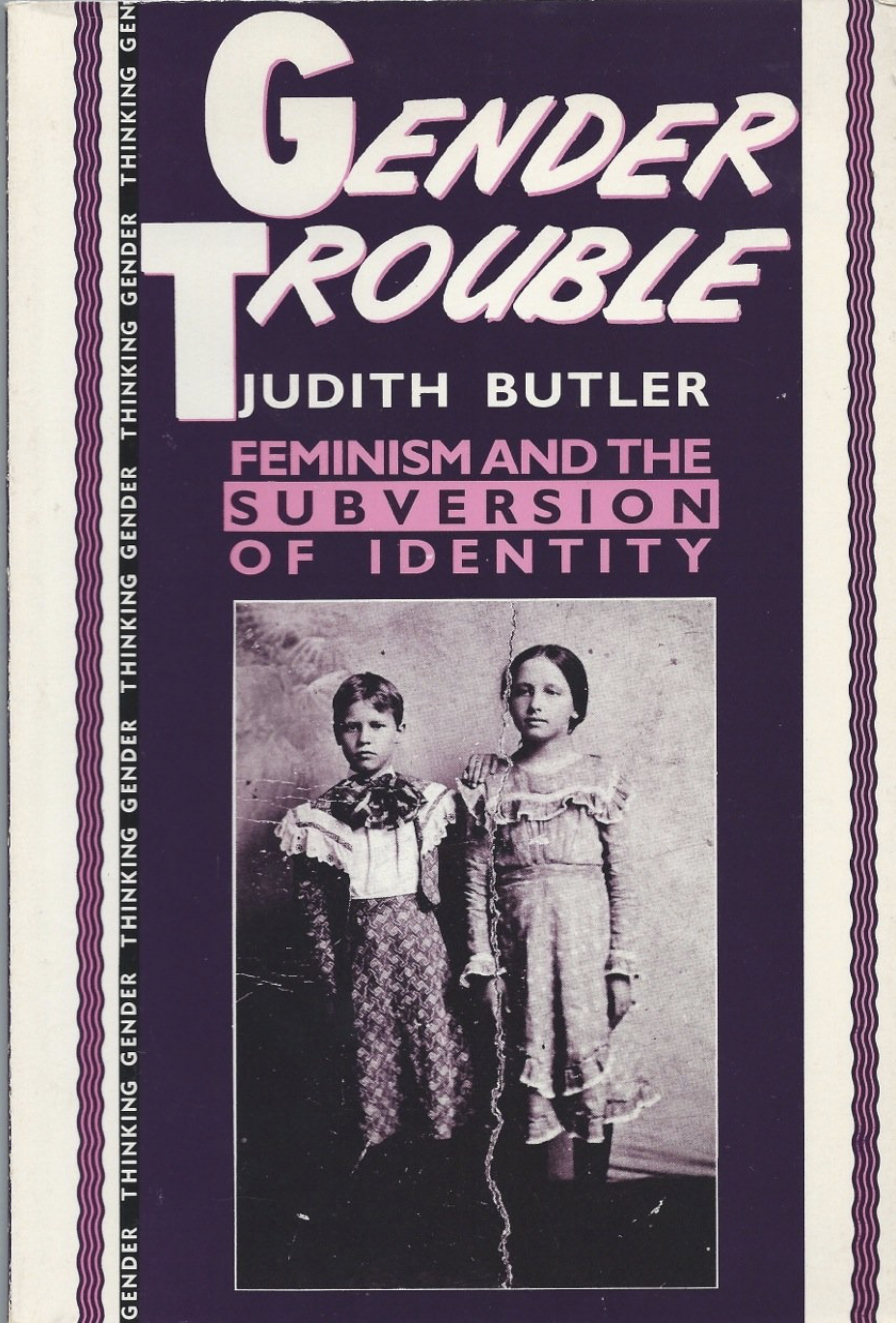
14. Gender Trouble — Judith Butler (1990)
Butler argues that gender is not fixed but performed through repeated actions. This groundbreaking idea influenced queer theory and modern understandings of gender identity.
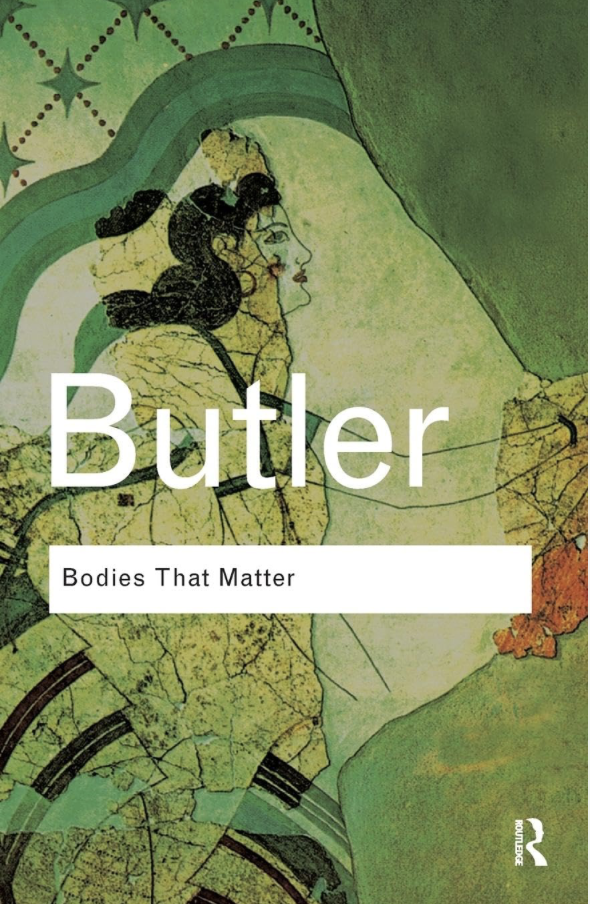
15. Bodies That Matter — Judith Butler (1993)
A continuation of Butler’s earlier work. She explores how society defines which bodies are considered “normal,” legitimate, or meaningful.
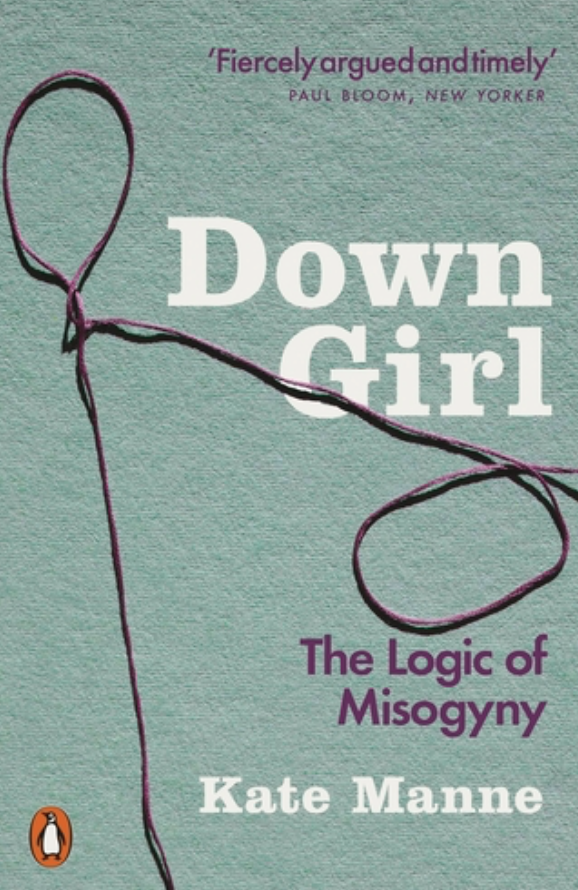
16. Down Girl: The Logic of Misogyny — Kate Manne (2017)
Manne argues misogyny isn’t just hatred of women, but a system that polices women who challenge male dominance.
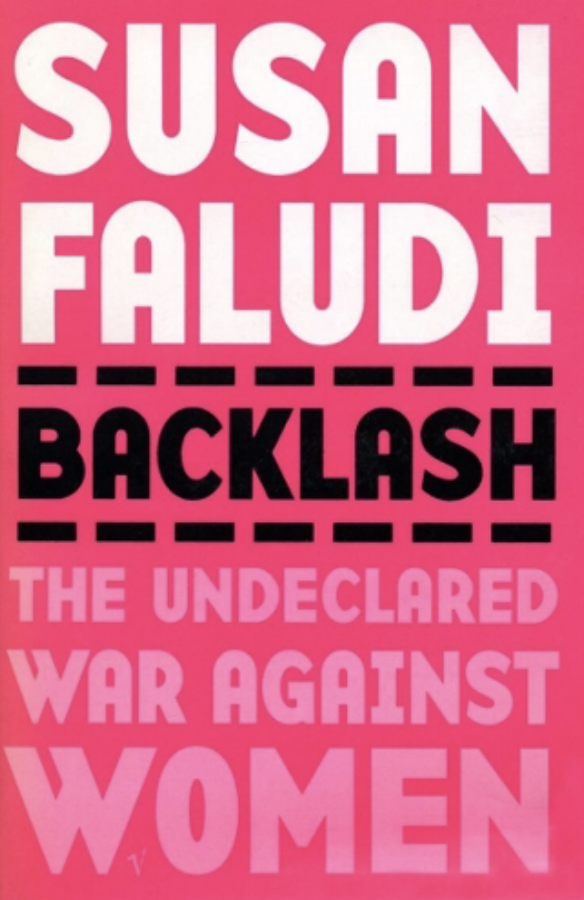
17. Backlash — Susan Faludi (1991)
Faludi argues that whenever feminism makes progress, society responds with a cultural backlash, blaming feminism for women’s unhappiness.
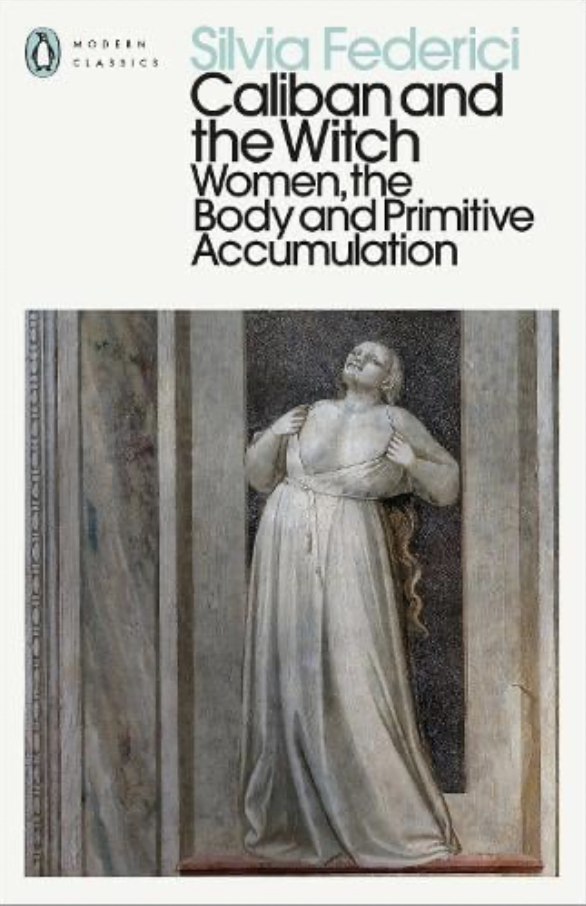
18. Caliban and the Witch — Silvia Federici (2004)
Federici connects capitalism, witch hunts, and the control of women’s bodies. She argues that the persecution of women helped establish modern economic systems.
19. Men Explain Things to Me — Rebecca Solnit (2014)
A collection of essays about mansplaining, violence against women, and silencing women’s voices. The book popularised the term “mansplaining.”
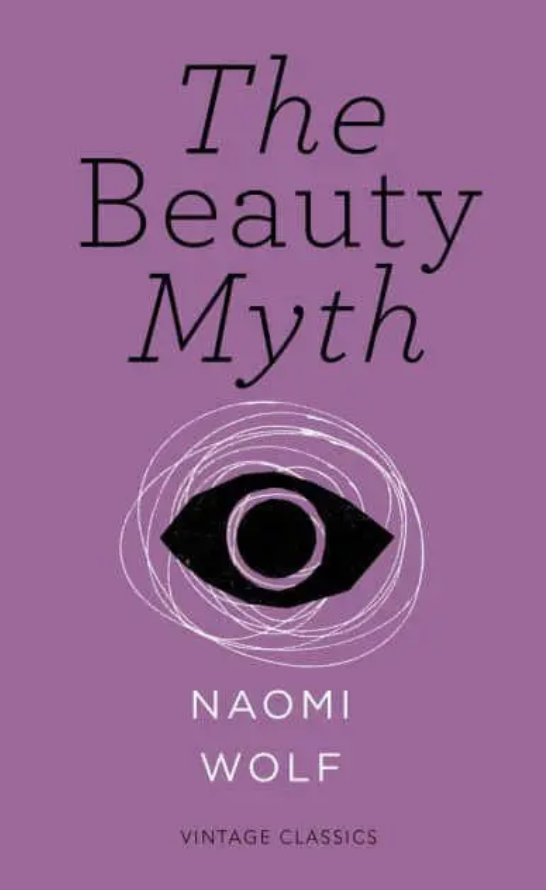
20. The Beauty Myth — Naomi Wolf (1990)
Wolf argues that as women gained legal rights, society replaced older forms of control with unrealistic beauty standards that consume women’s time, money, and energy.